Dogs With The Highest Bite Force
#10: German Shepherd
Bite Force: 238-291 PSI
Happy monkey/Shutterstock.com
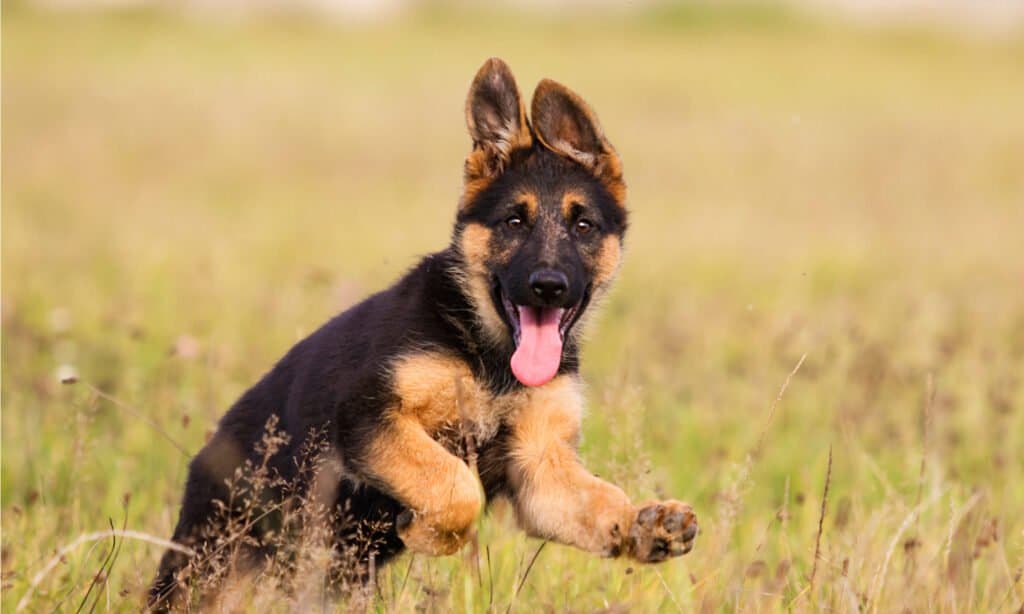
With a staggering bite force of almost 300 PSI, the German Shepherd breed is often used for law enforcement and military protection. They may have a powerful bite force, but they are generally good family pets as well due to their loyal and obedient demeanor.
German Shepherds were originally bred to work and are typically very intelligent. They tend to train quickly and on top of their loyalty to their owners, German Shepherds are athletic and fairly even-tempered. Considering all of these amazing characteristics, these pups make the ideal candidates for police work.
Another reason why police and the army prefer these canines to other breeds is due to their endurance, speed, and strength. Their courageous attitude and adaptability to almost any climate included with their keen sense of smell is what the military looks for in their uniformed companions.
#9: American Bulldog
Bite Force: 305 PSI
Zanna Pesnina/Shutterstock.com
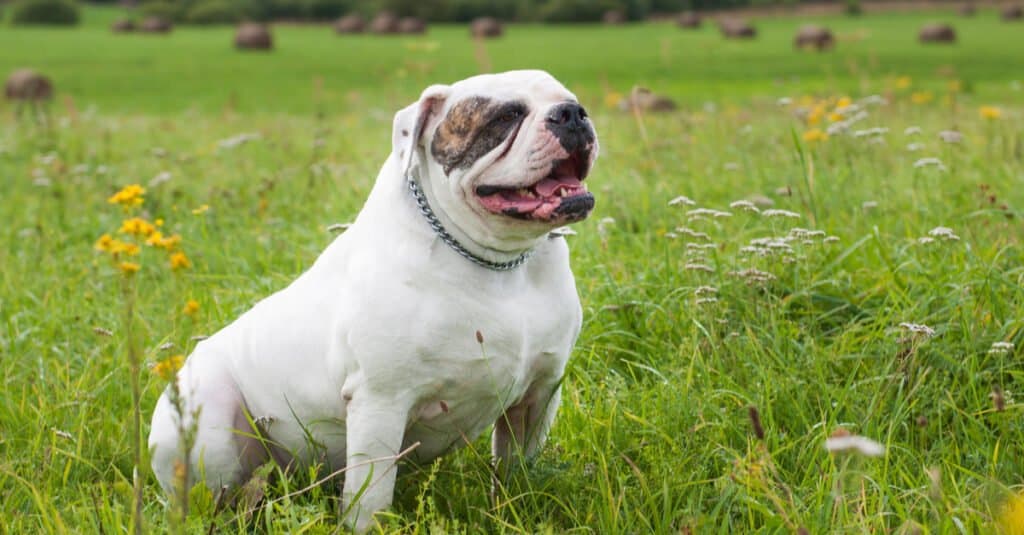
The myth of a dog being able to lock its jaw shut persists in conversations about the rottweiler, but it’s also dogged the bulldog. Despite that, the short but muscular jaw of the bulldog does allow it to leverage as much force as possible. This bite force was a necessity for the job these dogs were bred to do — controlling potentially dangerous livestock for butchers.
Despite being much shorter than cattle, their muscular bodies and jaws allowed them to leap up and rip at the throat of any bulls that might become a threat.
They have also been bred in the past for baiting bears, bulls, and other animals for sport. The American bulldog’s larger size accounts for the fact that its bite strength is significantly stronger than the X PSI the English bulldog can muster.
#8: Rottweiler
Bite Force: 328 PSI
Olexandr Andreiko/Shutterstock.com
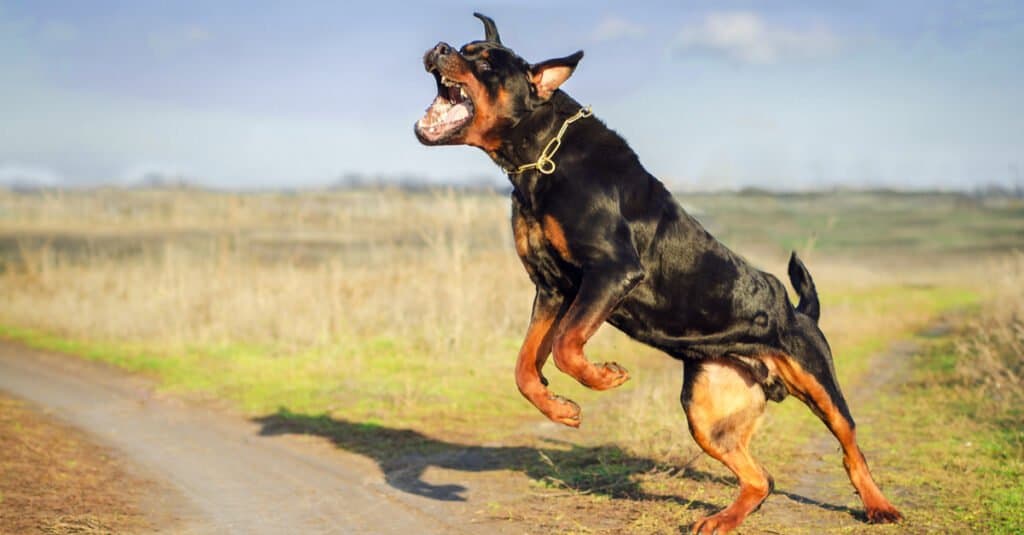
A rottweiler can keep growing beyond the age of three years old, but their incredible bite strength is especially influenced by their enormous heads. And while their bite strength is powerful, several dangerous myths have been perpetuated about the breed.
Rottweilers don’t have locking jaws and aren’t particularly prone to aggression. Nor are they difficult to train. This German breed got their start as crucial herd laborers who would bring cattle to market and pull carts for their caretakers.
These dogs are naturally as gentle as any other breed, and they’re a well-regarded breed for therapy dogs.
#7: Akita
Bite Force: 350 to 400 PSI
Kseniia Kolesnikova/Shutterstock.com
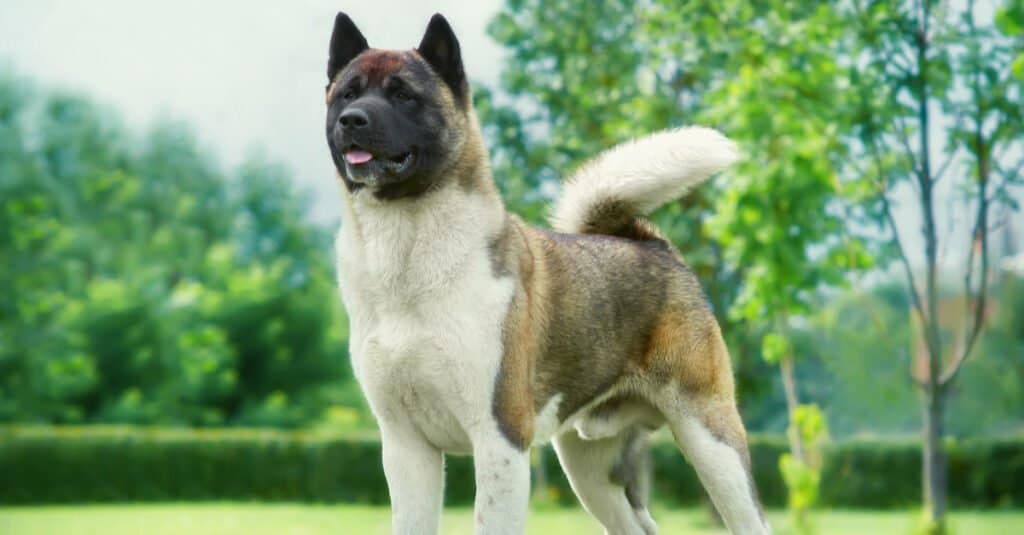
The Japanese Akita doesn’t have a bad reputation that the tosa does, but it does share a powerful bite. Despite being much smaller and having a muzzle that covers less surface area, the Akita has developed a jaw that works like scissors. That allows them to get more leverage out of their bites, and it also gives them one of the strongest grips around.
In Japan, the Akita is known as a family protector, and it’s an accurate assessment. While they can be wary and territorial of strangers — or even dangerous and hostile without the right training — they show a cuddly and silly side to their closest family members.
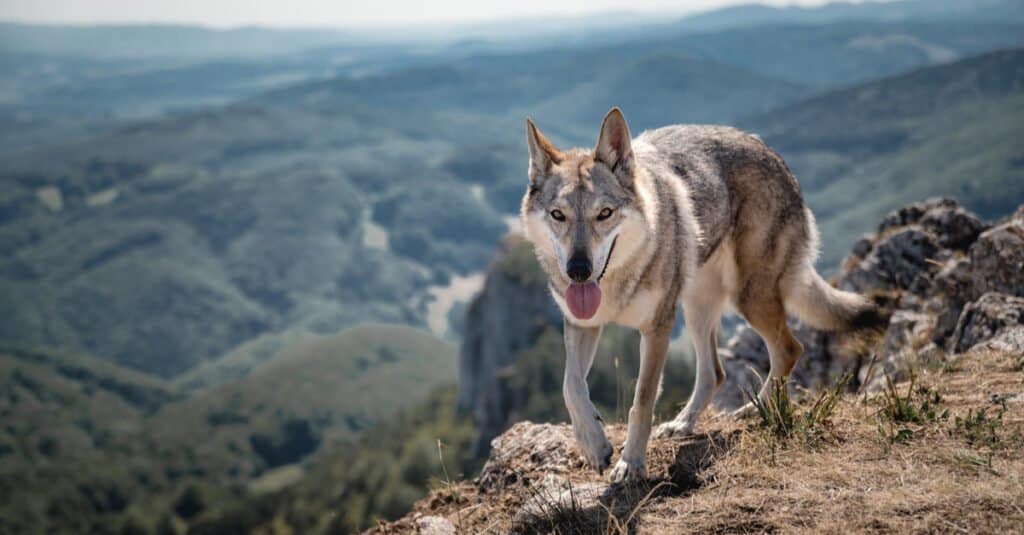
#6: Wolfdog
Bite Force: 406 PSI
mjurik/Shutterstock.com
A wolf can apply 1,500 pounds per square inch with its powerful jaws, and that mostly comes down to some very basic facts. A wolf’s jaw has a surface area roughly 10 to 15% larger than a dog’s, and they possess larger and sharper teeth as well.
It only makes sense that the wolfdog — which is not a recognized breed in its own right but which is the result of a dog breeding with any of the four species of the wolf — would inherit some of that bite force. But wolfdogs have also inherited the aggression and strong predatory instincts of their lupine parents, and so they’re only recommended for the most experienced of handlers.
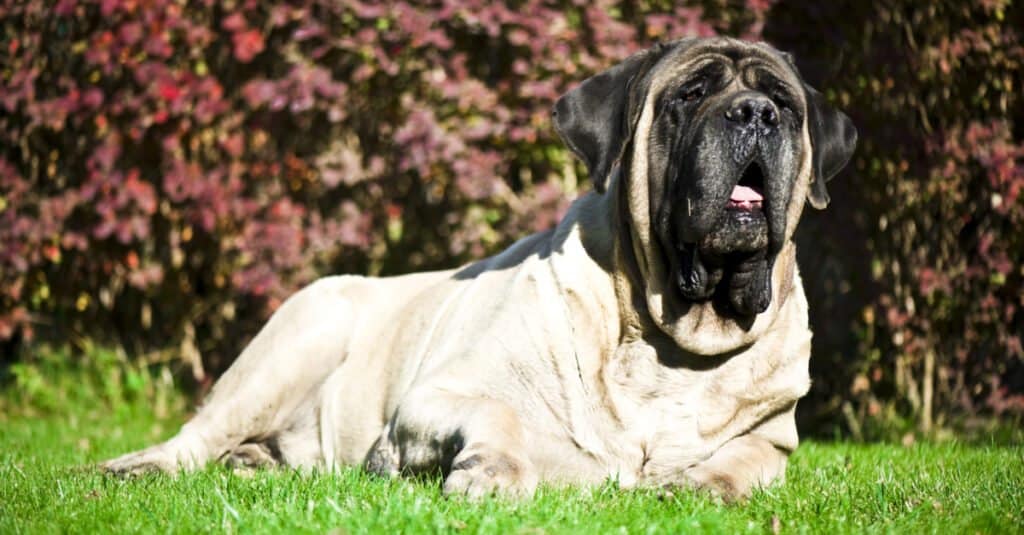
#5: English Mastiff
Bite Force: 552 PSI
Kachalkina Veronika/Shutterstock.com
Despite having a close lineage — and sharing parental duties for the younger bullmastiff breed — there are quite a few characteristics that separate the English mastiff from its French counterpart. For one, these dogs can reach a weight of 250 pounds and a height of a full three feet. For another, they tend to be more stoic and less expressive.
That doesn’t mean that these dogs aren’t loving and capable. They just require gentle care and devotion. The English mastiff is an exceptional working dog that has found significant usage in everything from farm labor to police operations to military expeditions.
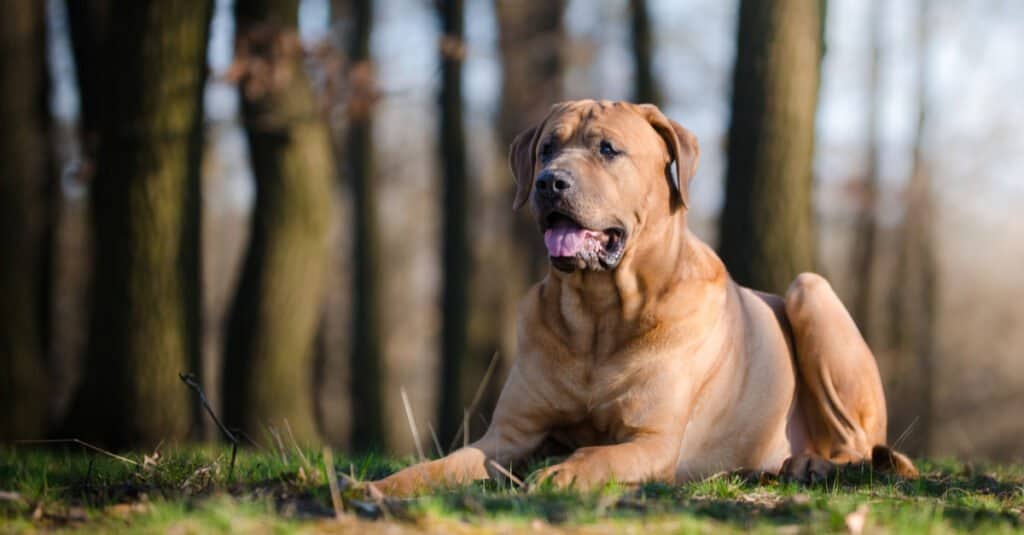
#4: Tosa Inu
Bite Force: 556 PSI
TMArt/Shutterstock.com
Though it’s sometimes called the Japanese mastiff, this breed of dog comes from a diverse lineage of breeds including Saint Bernards, Great Danes, and German Shepherds. It’s also often referred to as the Japanese fighting dog because it was bred for that purpose around the turn of the twentieth century. In today’s Japan, dogfighting is banned and the tosa is considered a national treasure.
Their reputation for aggression has led to this breed being restricted or outright banned in countries like Romania and Australia thanks to its reputation, and that’s contributed to it becoming a rare breed. Though loving and affectionate under the right care, it’s not a choice recommended for first-time dog owners.
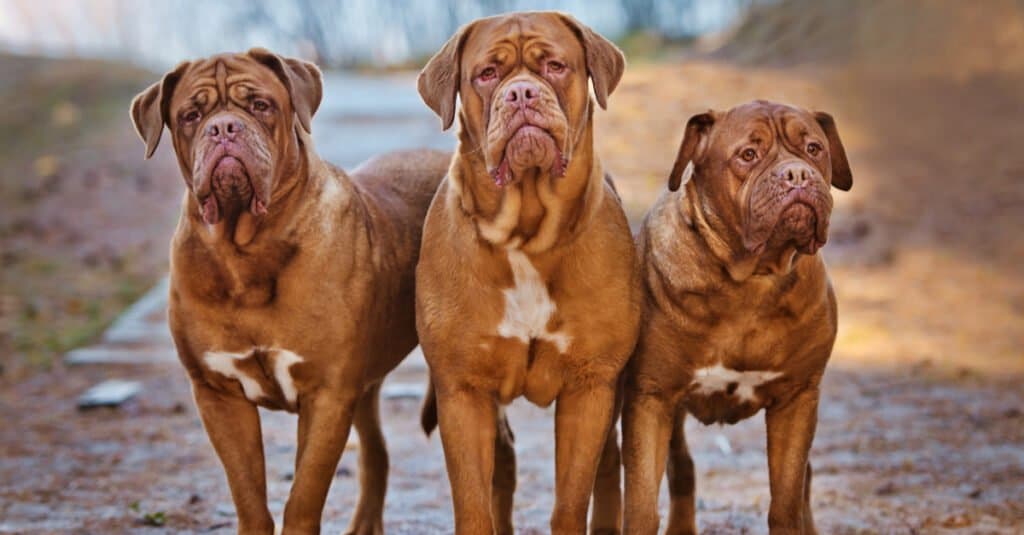
#3: Dogue de Bordeaux
Bite Force: 556 PSI
otsphoto/Shutterstock.com
It’s theorized that the Dogue de Bordeaux may be descended from the Tibetan Mastiff, but this big and gentle giant can at least be traced back to 14th century France.
Also known as the French Mastiff, these breeds have shorter and rounder snouts compared to their French and English contemporaries — and that factor could explain their slight edge in terms of bite force despite being a smaller breed all-around. French mastiffs are smart dogs.
That means they can sometimes be stubborn divas — but they’re quick to train and are eager workers who love to learn tricks and tasks. They’re also prodigious droolers, so be sure to carry a towel when they’re around.
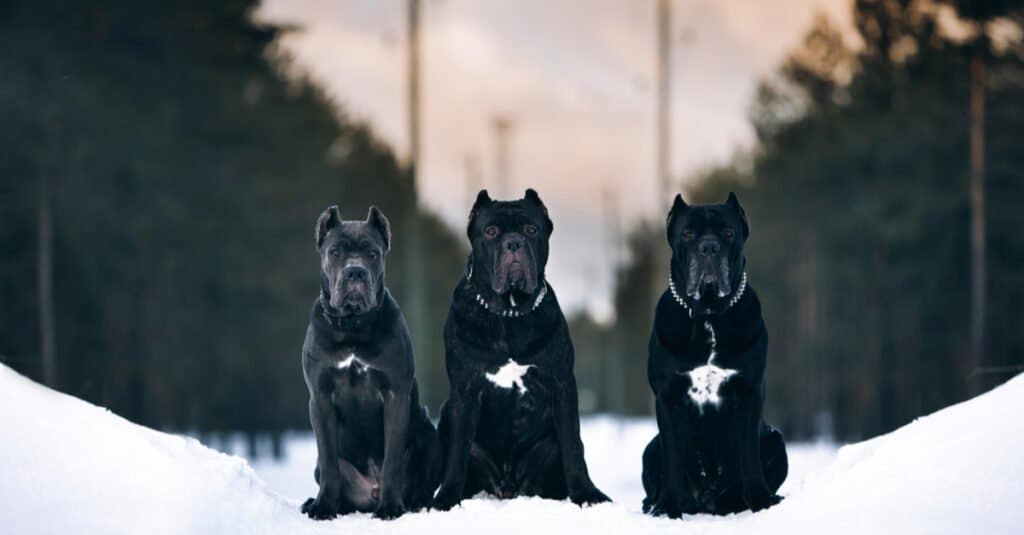
#2: Cane Corso
Bite Force: 700 PSI
BoJack/Shutterstock.com
The lineage of the Cane Corso begins as guard dogs in Ancient Greece, involves a brief stint as a warrior and gladiatorial dogs during Rome’s rise to power, and nearly disappeared in the 1980s until a movement to save the breed brought them back from the brink of extinction.
Thousands of years of breeding have naturally changed these dogs, but they continue to have the bearing, demeanor, and physicality befitting veteran and stoic warriors.
Cane Corsos are known to be an especially empathetic breed and are effective at offering not just physical protection but emotional support as well.
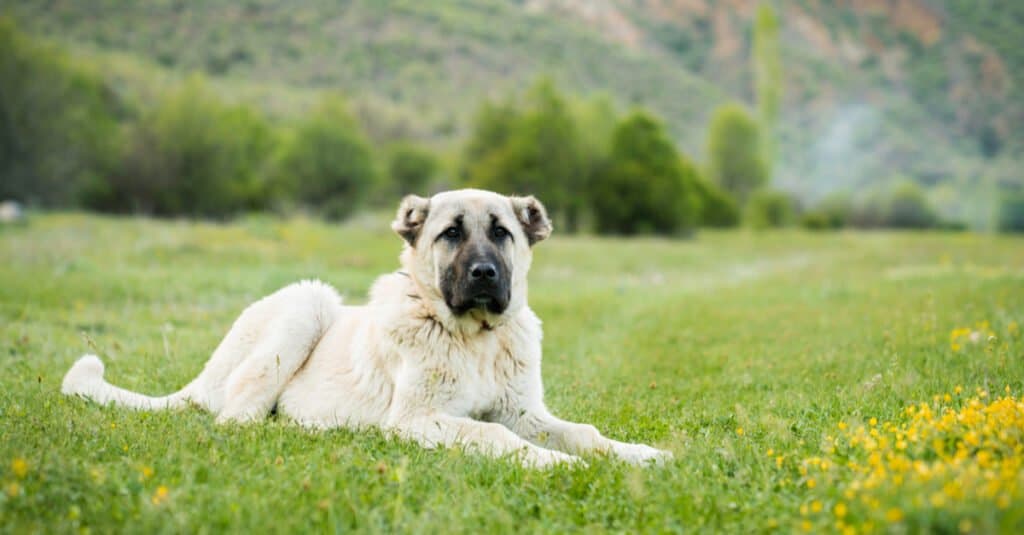
#1: Kangal
Bite Force: 743 PSI
shodography/Shutterstock.com
Turkey‘s premier shepherd dog is protective of both its flock and its family — and with a height that can reach nearly three feet, the Kangal has the sheer power to guard both effectively. While these dogs are considered mastiffs, the breed dates back to the 12th century and places them far closer to this family’s wild ancestors.
Fortunately, their role as shepherds means that they’ve been bred throughout the generations to be gentle around all of their charges. These dogs can be great companions, though they need a good deal of activity to stay happy and healthy.
List of Dogs with the Highest Bite Force
Here is a summary of the list of dogs with the highest bite force:
| Rank | Dog Breed | Bite Force |
|---|---|---|
| 10. | German Shepherd | 238-291 PSI |
| 9. | American Bulldog | 305 PSI |
| 8. | Rottweiler | 328 PSI |
| 7. | Akita | 350 – 400 PSI |
| 6. | Wolfdog | 406 PSI |
| 5. | English Mastiff | 552 PSI |
| 4. | Tosa Inu | 556 PSI |
| 3. | Dogue de Bordeaux | 556 PSI |
| 2. | Cane Corso | 700 PSI |
| 1. | Kangal | 743 PSI |


Comments
Post a Comment